Working Out During Ramadan: Best Times and Exercises While Fasting

Ramadan is a month of spiritual reflection, self-discipline, and devotion. For fitness enthusiasts, it also presents a unique challenge: how to maintain physical health and muscle mass while fasting from dawn to sunset. The shift in eating and sleeping patterns can disrupt your usual fitness routine, leading many to wonder if they should pause their training altogether.

However, working out during Ramadan/ is not only possible but can be highly beneficial if approached with the right strategy. The key lies in adjustment—altering your intensity, timing, and nutritional intake to align with your body’s altered metabolic state. This comprehensive guide will explore the best times to train, the most effective exercises, and how to fuel your body to ensure you stay fit and healthy throughout the holy month.

The Challenges of Exercise While Fasting

Before diving into the routines, it is essential to understand what happens to your body when you are fasting and exercising/. During the fasting hours, your body lacks a steady supply of glucose. Consequently, it begins to tap into glycogen stores in the liver and muscles for energy. Once these are depleted, the body may look toward fat stores or, in some cases, protein (muscle tissue) for energy.

Dehydration is another significant factor. Without the ability to drink water during the day, high-intensity workouts can lead to dizziness, fatigue, and even heatstroke. Therefore, the goal of working out during Ramadan/ should shift from “making gains” or “hitting personal bests” to “maintenance” and “consistency.”

The Best Times for Working Out During Ramadan

Timing is perhaps the most critical factor when planning your Ramadan fitness schedule. Since everyone’s work schedule and energy levels vary, there is no one-size-fits-all answer. However, there are three primary windows that are generally recommended by fitness experts.

1. 90 Minutes Before Iftar (The Sunset Meal)

Working out shortly before you break your fast is a popular choice for those looking to burn fat. By this time, your glycogen stores are low, forcing the body to utilize stored fat for fuel. The primary advantage of this timing is that you can eat and rehydrate almost immediately after your session.

  • Pros: Immediate nutrient replenishment; effective for weight loss.
  • Cons: Risk of dehydration and low energy during the workout; not ideal for heavy lifting.

2. Two Hours After Iftar

This is arguably the best time to workout in Ramadan/ for those focused on muscle maintenance and performance. After breaking your fast with a balanced meal and plenty of water, your energy levels will be restored, and your muscles will be primed for activity. This allows for higher-intensity training sessions compared to a fasted state.

  • Pros: Higher energy levels; better hydration; reduced risk of muscle loss.
  • Cons: May interfere with sleep patterns or evening prayers (Taraweeh).

3. Before Suhoor (The Pre-Dawn Meal)

For early risers, training before the first meal of the day is an option. This ensures you are fueled by the previous night’s meals and can immediately eat your pre-dawn meal and drink water after finishing your workout.

  • Pros: High energy from the previous night; metabolic boost for the day.
  • Cons: Requires waking up very early; may lead to fatigue later in the day.

Recommended Exercises While Fasting

When working out during Ramadan/, the type of exercise you choose should depend on your timing and energy levels. It is generally advised to reduce your overall volume (sets and reps) by about 30-50% to avoid overexertion.

Strength Training and Resistance

If your goal is to maintain muscle mass, resistance training is vital. However, avoid going for “one-rep max” lifts. Instead, focus on compound movements like squats, deadlifts, and overhead presses with moderate weights. Aim for 2-3 sessions per week, keeping the duration under 45 minutes.

Low-Intensity Steady State Cardio (LISS)

High-Intensity Interval Training (HIIT) is generally discouraged while fasting due to the high risk of dehydration. Instead, opt for LISS activities such as brisk walking, light cycling, or a slow jog. These activities keep the heart rate elevated without putting excessive strain on the body’s cooling systems.

Flexibility and Mobility Work

Ramadan is an excellent time to focus on aspects of fitness that are often neglected, such as yoga, Pilates, or dedicated stretching routines. These exercises improve blood circulation and reduce muscle stiffness without requiring significant caloric expenditure.

Nutritional Strategies for Fitness Success

Your performance and recovery when working out during Ramadan/ are heavily dependent on what you eat during the non-fasting hours. Focus on nutrient density to ensure your body has what it needs to repair tissue and sustain energy.

The Importance of Suhoor

Suhoor should be treated as the most important meal for a fitness enthusiast. Focus on complex carbohydrates that release energy slowly throughout the day.

  • Oats and Grains: Provide long-lasting energy.
  • Healthy Fats: Avocado, nuts, and olive oil help slow down digestion, keeping you full longer.
  • High-Quality Protein: Eggs, Greek yogurt, or protein shakes to prevent muscle breakdown.

Refueling at Iftar

When breaking your fast, start with dates and water to provide an immediate glucose boost and hydration. Follow this with a balanced meal containing lean protein (chicken, fish, or lentils) and simple carbohydrates (rice or pasta) if you plan on working out shortly after. Avoid heavy, fried, or overly sugary foods, as these can lead to lethargy and “sugar crashes.”

Hydration is Key

Dehydration is the biggest enemy of fasting and exercise/. Aim to drink at least 2.5 to 3 liters of water between Iftar and Suhoor. Consider adding electrolytes to your water to replenish the salts lost through sweat, especially if you live in a hot climate.

Safety Precautions and Tips

To ensure you stay safe while working out during Ramadan, keep the following tips in mind:

  • Listen to your body:/ If you feel dizzy, lightheaded, or excessively weak, stop exercising immediately. There is no shame in taking a rest day.
  • Prioritize Sleep: With the late-night prayers and early Suhoor, sleep can be scarce. Aim for naps during the day to ensure your muscles have time to recover.
  • Consistency over Intensity: The goal is to keep the habit alive. Don’t worry if you aren’t hitting your usual weights; staying active is the priority.
  • Avoid excessive caffeine: Caffeine is a diuretic and can lead to faster dehydration. Limit coffee or tea to one cup during the evening.

Conclusion

Working out during Ramadan requires a mindful approach that balances spiritual obligations with physical health. By choosing the right time to train—whether it’s the fat-burning window before Iftar or the performance-driven window after—and adjusting your exercise intensity, you can maintain your fitness progress without compromising your fast.

Remember that Ramadan is a marathon, not a sprint. Focus on maintaining your strength, staying hydrated, and nourishing your body with whole foods. By the end of the month, you will not only have achieved your spiritual goals but also preserved your physical well-being, setting a strong foundation for your fitness journey throughout the rest of the year.

Frequently Asked Questions

1. Is it safe to do cardio while fasting?

Yes, but it should be low-intensity cardio like walking or light cycling. Avoid HIIT or heavy sprinting while fasting to prevent dehydration and fainting.

2. Can I build muscle during Ramadan?

Building significant muscle mass is difficult during Ramadan due to the caloric deficit and restricted feeding window. Most people focus on muscle maintenance. However, with high protein intake and heavy lifting after Iftar, minor gains are still possible for some.

3. Should I take supplements like Creatine or Whey Protein?

Whey protein is very helpful during Iftar or Suhoor to meet your protein targets quickly. Creatine can also be used, but you must ensure you are drinking significantly more water during the night to avoid dehydration.

4. How many days a week should I work out?

For most, 3 to 4 days a week is sufficient. This allows for ample recovery time, which is crucial when your body is under the added stress of fasting.

5. What if I feel too tired to exercise?

It is perfectly okay to take a break. Ramadan is a time for spiritual growth. If your energy is low, focus on gentle movements like stretching or simply take the week off to recover. You can always return to your routine when you feel stronger.

How to Balance a Full-Time Job with Daily Salah: 7 Practical Time-Management Tips

For many Muslim professionals, climbing the corporate ladder while maintaining strong religious obligations can feel like a daunting task. One of the most common challenges is figuring out how to balance a full-time job with daily Salah (Islamic prayers). When you are caught up in back-to-back meetings, project deadlines, and endless emails, it can be easy to lose track of prayer times. However, maintaining your daily Salah is not only a fundamental pillar of Islam, but it also serves as a grounding practice that can actually improve your focus, reduce workplace stress, and boost overall productivity.

If you are struggling to maintain your prayer schedule during the 9-to-5 grind, you are not alone. Successfully integrating your faith into your professional life comes down to proactive planning, clear communication, and smart time management. In this comprehensive guide, we will explore seven practical time-management tips to help you successfully balance a full-time job with daily Salah without compromising your career growth or your spiritual well-being.

1. Understand Your Prayer Window and Work Schedule

The first step to balance a full-time job with daily Salah is achieving complete clarity on your local prayer times and how they intersect with your working hours. Depending on the season and your geographical location, the times for Dhuhr (noon), Asr (afternoon), and sometimes Maghrib (sunset) will fall squarely within your standard workday.

To manage this effectively:

  • Download a reliable Adhan app: Use applications like Muslim Pro or Pillars to get accurate, localized prayer times sent directly to your phone or smartwatch.
  • Map out the shifting seasons: Winter months often mean shorter days, which can compress Dhuhr, Asr, and Maghrib into a tight timeframe. Be aware of these shifts so you can adjust your schedule in advance.
  • Identify your windows: Salah does not have to be prayed the exact minute the Adhan is called. You have a permissible window for each prayer. Knowing the start and end times allows you to schedule your prayers during natural lulls in your workday.

2. Block Out Time on Your Work Calendar

In the corporate world, if a task is not on your calendar, it often does not happen. One of the most effective time-management strategies for a Muslim professional is to treat your daily Salah as a non-negotiable meeting. By actively blocking out time on your work calendar, you prevent colleagues from scheduling calls or meetings during your designated prayer breaks.

You do not necessarily have to label the calendar event as “Prayer Time” if you prefer privacy. You can simply use labels such as “Personal Break,” “Brief Screen Break,” or “Focus Time.” A standard Salah, including Wudu (ablution), usually takes no more than 10 to 15 minutes. By booking these short 15-minute blocks, you create a structured boundary that helps you balance a full-time job with daily Salah effortlessly, while communicating to your team that you are temporarily away from your desk.

3. Communicate Professionally with Your Employer

Many Muslims feel hesitant to discuss their religious practices with their employers out of fear of being penalized or misunderstood. However, professional and transparent communication is key to securing the accommodations you need. In many countries, employers are legally required to provide reasonable religious accommodations, provided they do not cause undue hardship to the business.

When approaching your manager or HR department:

  • Be proactive: Bring up your need for short prayer breaks before it becomes an issue. Onboarding or regular check-in meetings are great times for this discussion.
  • Emphasize efficiency: Explain that these breaks take only 10 to 15 minutes and will be taken in lieu of standard coffee or smoke breaks. Assure them that your productivity will not be negatively impacted.
  • Ask about designated spaces: Politely inquire if there is a wellness room, a quiet room, or an empty office you can use to fulfill your daily Salah.

4. Prepare for Wudu in Advance

Often, the most time-consuming part of praying at work is not the Salah itself, but performing Wudu (ablution) in a corporate restroom. To efficiently balance a full-time job with daily Salah, you need to streamline your Wudu process.

Here are a few practical ways to manage Wudu at work:

  • Maintain your Wudu: Try to make Wudu before leaving your house in the morning and maintain it as long as possible.
  • Invest in Khuffain (Wudu Socks): Wearing Islamically compliant waterproof socks (Khuffain) allows you to wipe over your feet during Wudu rather than washing them in a public sink. This saves a tremendous amount of time and avoids the awkwardness of lifting your foot into a corporate bathroom sink.
  • Wear professional, easy-to-manage clothing: Opt for shirts with sleeves that are easy to roll up past the elbows, and choose slip-on office shoes for quick removal.

5. Keep a Portable Prayer Kit at Your Desk

Scrambling to find a clean space or a makeshift prayer mat can eat into your valuable break time. To avoid this, prepare a dedicated, portable prayer kit that stays at your office. Having your tools ready eliminates friction and makes it much easier to balance a full-time job with daily Salah.

Your office prayer kit should include:

  • A compact, foldable travel prayer mat that easily fits in a desk drawer or laptop bag.
  • A digital Qibla compass or a reliable smartphone app to quickly find the direction of Mecca.
  • A clean prayer garment or scarf (if required by your personal or modesty needs) tucked away in a small pouch.

Having these items on standby ensures that as soon as your calendar reminder goes off, you can transition straight into your prayer without wasting time gathering supplies.

6. Group Your Tasks Around Salah Times

Time management is all about working smarter, not harder. You can use your daily Salah as natural anchors for your workday. Instead of viewing prayer as an interruption to your workflow, view it as a productivity booster. The Pomodoro technique, which involves working in focused bursts followed by short breaks, aligns perfectly with the Islamic prayer schedule.

For example, you can plan to finish writing a complex report right before the time for Dhuhr. Once you complete the task, use your Dhuhr prayer as a mental and spiritual reset. Taking this time to step away from your screen, stretch, and connect with your Creator allows you to return to your desk with renewed focus and energy for the afternoon session. Grouping tasks this way allows you to seamlessly balance a full-time job with daily Salah while actually enhancing your corporate output.

7. Make Up for Lost Time Intelligently

Even with the best planning, there will be days when a meeting runs long, or an urgent crisis demands your immediate attention, causing you to miss your scheduled prayer block. The key to successfully balancing a full-time job with daily Salah is adaptability.

If your scheduled break is compromised, do not panic. Look for the next immediate window of opportunity within the prayer’s permissible timeframe. If you know in advance that you have a crucial, multi-hour strategy meeting during the winter months when prayer times are tight, try to combine your lunch break with your prayer break. You might eat a quick sandwich at your desk while you work, saving your actual lunch hour to step away and perform Dhuhr and Asr in their respective times. The goal is to remain strictly dedicated to the prayer, while remaining flexible in your scheduling approach.

Conclusion

Learning how to balance a full-time job with daily Salah is an ongoing journey that requires dedication, planning, and open communication. By understanding your schedule, blocking out calendar time, optimizing your Wudu routine, and utilizing your prayers as natural productivity breaks, you can excel in your career without compromising your faith. Remember that taking a few minutes out of your busy workday to stand before Allah brings barakah (blessings) to your livelihood and peace to your mind. With these seven practical time-management tips, you can confidently navigate the modern workplace as a dedicated Muslim professional.

Frequently Asked Questions

Is it legally acceptable to ask for prayer breaks at work?

Yes, in most Western countries (such as the US, UK, and Canada), employers are mandated by law to provide reasonable religious accommodations. Taking 10 to 15 minutes for daily Salah is generally considered a reasonable request, especially if it can be taken during standard break times or unpaid lunch hours.

What should I do if my office does not have a dedicated prayer room?

If a designated wellness room or multi-faith room is not available, get creative. You can politely ask HR or an office manager if there is an empty conference room, a quiet corner in the library, or a clean storage space you can use for 10 minutes a day. Using a travel prayer mat ensures your prayer area remains clean wherever you are.

Can I combine my prayers (like Dhuhr and Asr) while at work?

According to mainstream Islamic jurisprudence, prayers should be performed in their designated times. Combining prayers is generally reserved for traveling, illness, or extreme hardship. Before resorting to combining prayers at work, try to implement the time-management strategies mentioned above to pray each Salah in its proper window. If you face severe restrictions, it is highly recommended to consult with a qualified local Islamic scholar for advice tailored to your specific situation.

How do I handle Wudu in a public corporate restroom?

The best approach is to minimize the need to wash your feet in the sink by performing Wudu at home and wearing Khuffain (Wudu-compliant socks). This allows you to simply wipe over your feet. Additionally, try to visit the restroom during less busy hours, and always be courteous by wiping down any splashed water around the sink to maintain a professional and respectful workplace environment.

How to Calculate Zakat Online: Best Online Zakat Calculator Guide

Zakat, (زکوۃ)one of the five pillars of Islam, is a fundamental obligation for eligible Muslims, serving as a purification of wealth and a vital means of social welfare. Calculating Zakat accurately can often be a complex task, involving various types of assets, fluctuating market values, and specific Islamic guidelines. In today’s digital age, a robust Zakat calculator online has become an indispensable tool for Muslims worldwide, simplifying this crucial religious duty. This article delves into the intricacies of Zakat calculation and reviews how modern online tools are optimizing the process, ensuring accuracy and peace of mind.

Understanding Zakat and Its Importance

Zakat is not merely a charitable donation; it’s a mandatory act of worship, a divinely ordained tax on wealth. It signifies the purification of one’s assets and aims to redistribute wealth from the affluent to the needy, fostering economic justice and compassion within the community. The obligation applies to specific types of wealth that reach a minimum threshold, known as “Nisab,” and have been in one’s possession for a full lunar year, known as Hawl.

Assets subject to Zakat typically include:

  • Cash savings and bank balances
  • Gold and silver (in any form)
  • Investments (shares, bonds, mutual funds)
  • Business inventory and assets
  • Rental income from property
  • Agricultural produce
  • Livestock

The calculation can vary based on the asset type and prevailing Nisab value, which is usually determined by the market price of gold or silver. Manually tracking these values and applying the correct percentages across diverse asset categories can be daunting, leading many to seek reliable assistance.

Why Use a Zakat Calculator Online?

The complexity of Zakat calculations, combined with the desire for accuracy in fulfilling a religious obligation, makes an online Zakat calculator an invaluable resource. 

These digital tools offer numerous advantages over traditional manual methods:

Accuracy:

Online calculators are programmed to follow established Islamic guidelines and current Nisab values, significantly reducing the risk of human error. They handle complex formulas and multiple asset categories with precision.

Convenience

Accessible 24/7 from any device with an internet connection, a Zakat calculator online allows you to perform your calculations at your leisure, without needing specialized knowledge or physical resources.

Comprehensive Coverage

Leading online tools cater to a wide array of asset types, from personal savings and investments to business assets and pensions, ensuring no aspect of your wealth is overlooked.

Dynamic Nisab Updates

Many reputable calculators automatically update Nisab values based on current gold or silver prices, guaranteeing that your calculation is always relevant and accurate.

Educational Support

Beyond just calculations, many platforms offer detailed explanations of Zakat rules, FAQs, and scholarly references, enhancing your understanding of this pillar of Islam.

Time-Saving

What might take hours of manual tabulation can be completed in minutes with a well-designed online tool, freeing up your time for other commitments.

Utilizing an online Zakat calculator ensures that you not only fulfill your obligation correctly but also gain deeper insight into your financial duties as a Muslim.

Key Features to Look for in a Top Zakat Calculator Online

When choosing a Zakat calculator online, discerning users should look for specific features that enhance accuracy, usability, and trustworthiness. A truly effective tool will offer:

Extensive Asset Categories:

The calculator should cover a broad spectrum of Zakat-eligible assets, including:

  • Cash, bank balances, and savings accounts.
  • Gold (jewellery, bullion, coins) and silver.
  • Shares, stocks, mutual funds, and other investments.
  • Business assets (inventory, receivables, cash in hand).
  • Rental income from properties.
  • Pensions and provident funds.
  • Agricultural produce and livestock (if applicable).

Dynamic Nisab Value Integration

The tool should automatically update the Nisab threshold based on the current market value of gold or silver, offering options for both. This is critical for an accurate `Zakat calculation online`.

Multi-Currency Support

For a global Muslim population, the ability to calculate Zakat in various international currencies is essential.

User-Friendly Interface

An intuitive and clean design makes the calculation process straightforward, guiding users step-by-step through asset declaration and liability deduction.

Clear Explanation of Rules

High-quality calculators often provide explanations for each asset category, clarifying what is Zakat-able and what isn’t, often citing Islamic jurisprudence.

Security and Privacy

Ensuring that your financial data is handled securely and privately is paramount. Look for tools from reputable organizations with clear privacy policies.

Deduction of Liabilities

The calculator should allow users to deduct legitimate debts and short-term liabilities, as Zakat is only due on net Zakatable wealth.

Reporting and Record-Keeping

Features to save, print, or email your Zakat calculation report can be beneficial for record-keeping and future reference.

Navigating the Best: What to Expect from Leading Zakat Calculators

While specific tool recommendations can fluctuate, the best Zakat calculator online tools generally originate from reputable Islamic charities, financial institutions with an Islamic finance arm, or well-known Islamic educational platforms. These organizations invest in scholarly validation and robust technical infrastructure to provide reliable services.

Expect to find tools that:

Are Backed by Scholars:

Reputable `online Zakat calculator` tools often explicitly state that their methodology is verified by Islamic scholars or Sharia boards, lending them credibility.

Offer Transparency:

They clearly outline their calculation methodology, including which schools of thought (e.g., Hanafi, Maliki, Shafi’i, Hanbali) they adhere to, or if they adopt a general consensus.

Provide Extensive FAQs and Guides:

Beyond the calculator itself, top platforms offer rich content explaining various aspects of Zakat, helping users understand their obligations better.

Are Regularly Updated:

The Islamic finance landscape and market values can change, so a reliable Zakat calculator online will be maintained and updated regularly to reflect current conditions and rulings.

Integrate with Donation Platforms:

Many tools provided by charitable organizations offer a seamless option to donate your calculated Zakat directly through their secure payment gateways, streamlining the entire process from calculation to fulfillment.

When selecting a tool, prioritize those that offer clarity, scholarly backing, and a comprehensive approach to `Zakat calculation online`.

Tips for Accurate Zakat Calculation

Even with the aid of a sophisticated Zakat calculator online, certain steps are crucial to ensure the accuracy of your Zakat payment:

Know Your Nisab:

Always verify the current Nisab value (typically based on gold or silver) on the day you perform your Zakat calculation. Most online calculators update this automatically, but it’s good to be aware.

Consolidate All Assets:

Gather statements for all bank accounts, investment portfolios, details of gold and silver holdings, and business records. Ensure you haven’t missed any eligible wealth.

Track Your Hawl:

Zakat is due on wealth that has been in your possession for a full lunar year. Understand your Zakat anniversary date (Hawl) and ensure all assets have met this condition.

Deduct Eligible Liabilities:

Subtract any legitimate debts or short-term liabilities you owe. This includes outstanding bills, credit card debts that cannot be paid immediately, and personal loans.

Seek Scholarly Advice for Complex Cases

If you have unique financial situations (e.g., complex investments, significant business assets, or deferred payments), consult with a qualified Islamic scholar or local imam. While an online Zakat calculator is helpful, it cannot replace personalized expert advice.

Double-Check Your Entries

Before finalizing your calculation, meticulously review all the figures you’ve entered into the Zakat calculator online to prevent errors.

By following these tips, you can ensure your Zakat calculation is as accurate as possible, honoring your religious commitment with confidence.

Conclusion

Fulfilling the obligation of Zakat is a profound act of worship, reflecting a Muslim’s faith and commitment to social justice. While the manual calculation can be intricate, the advent of the Zakat calculator online has revolutionized the process, making it accessible, accurate, and convenient for millions. These sophisticated tools empower individuals to confidently determine their Zakat obligation, ensuring that this vital pillar of Islam is upheld correctly.

Embrace the convenience and precision offered by a reliable Zakat calculator online. Take the proactive step today to accurately assess your Zakat, purify your wealth, and contribute to the welfare of those in need. Your accurate Zakat payment can make a significant difference in the lives of countless individuals and strengthen the fabric of the global Muslim community. Utilize these valuable resources to fulfill your Zakat duty with ease and certainty..html

Importance of Itikaf – اعتکاف اور اس کی اہمیت

اسلام ایک مکمل ضابطۂ حیات ہے جو انسان کی روحانی اور جسمانی تربیت کا اہتمام کرتا ہے۔ عبادات کے ذریعے جہاں انسان کا تعلق اللہ تعالیٰ سے مضبوط ہوتا ہے، وہیں اعتکاف ایک ایسی عبادت ہے جو بندے کو مکمل طور پر دنیاوی معاملات سے الگ کر کے اللہ کی بندگی میں مشغول کر دیتی ہے۔

اعتکاف کی تعریف

اعتکاف عربی لفظ “عکف” سے ماخوذ ہے، جس کا مطلب ہے “ٹھہر جانا” یا “کسی چیز میں خود کو مشغول رکھنا”۔ شرعی اصطلاح میں اعتکاف سے مراد یہ ہے کہ بندہ اللہ کی رضا اور قربت کے لیے مسجد میں مخصوص مدت تک قیام کرے، دنیاوی امور سے کنارہ کشی اختیار کرے اور مکمل طور پر عبادت میں مشغول ہو جائے۔

اعتکاف کی اہمیت اور فضیلت

اعتکاف ایک نہایت اہم اور بابرکت عبادت ہے جو بندے کو اللہ تعالیٰ کے قریب لے جاتی ہے۔ اس کی اہمیت درج ذیل نکات میں واضح کی جا سکتی ہے:

قربِ الٰہی کا ذریعہ

اعتکاف میں بندہ دنیاوی جھمیلوں سے آزاد ہو کر یکسوئی کے ساتھ اللہ کی عبادت میں مشغول ہوتا ہے، جس سے اس کے دل میں خدا کی محبت اور خشیت پیدا ہوتی ہے۔

نبی کریمﷺ کی سنت

نبی اکرمﷺ رمضان کے آخری عشرے میں اعتکاف فرمایا کرتے تھے۔ حضرت عائشہؓ فرماتی ہیں
“نبی اکرم ﷺ رمضان کے آخری دس دنوں میں اعتکاف کیا کرتے تھے، یہاں تک کہ آپ کا وصال ہو گیا، پھر آپ کے بعد آپ کی ازواج مطہرات نے بھی اعتکاف کیا
۔” (بخاری و مسلم)

لیلۃ القدر کی تلاش

رمضان کے آخری عشرے میں اعتکاف کرنے کا ایک اہم مقصد شبِ قدر کو پانا بھی ہے، جو کہ ہزار مہینوں سے بہتر ہے۔ اعتکاف میں رہنے والا شخص راتوں کو جاگ کر عبادت کرتا ہے، جس سے وہ اس بابرکت رات کی فضیلت کو حاصل کر سکتا ہے۔

گناہوں کی معافی کا موقع

اعتکاف میں بندہ اپنے گناہوں کی معافی مانگتا ہے اور توبہ و استغفار کرتا ہے، جس سے وہ اللہ کی رحمت کا مستحق بن جاتا ہے۔

دل کی پاکیزگی اور یکسوئی

روزمرہ زندگی میں انسان مختلف مشاغل میں مصروف رہتا ہے، جس کی وجہ سے اس کا دل دنیاوی آلائشوں میں گھر جاتا ہے۔ اعتکاف بندے کو موقع فراہم کرتا ہے کہ وہ خود کو دنیا کی فکریں چھوڑ کر اللہ کی یاد میں مصروف کرے اور دل کی پاکیزگی حاصل کرے۔

اعتکاف کے بنیادی اصول

مسجد میں قیام

مردوں کے لیے ضروری ہے کہ وہ مسجد میں اعتکاف کریں، جبکہ خواتین گھر میں کسی مخصوص جگہ کو اعتکاف کے لیے مخصوص کر سکتی ہیں۔

مخصوص مدت

اعتکاف کا سب سے افضل وقت رمضان کے آخری عشرے میں ہوتا ہے، تاہم نفلی اعتکاف کسی بھی وقت کیا جا سکتا ہے۔

اگر اعتکاف ٹوٹ جائے تو کیا قضا صرف آئندہ رمضان میں ہی ہوگی یا کسی اور وقت بھی ممکن ہے؟

عبادت اور ذکر

اعتکاف میں زیادہ سے زیادہ وقت نماز، تلاوت، ذکر و اذکار، اور دعا میں گزارنا چاہیے۔

دنیاوی امور سے اجتناب

اعتکاف کرنے والے کو غیر ضروری گفتگو اور دنیاوی معاملات سے پرہیز کرنا چاہیے۔

نتیجہ

اعتکاف ایک ایسی عبادت ہے جو انسان کو اللہ کے قریب کرتی ہے اور اس کی روحانی تربیت کا باعث بنتی ہے۔ یہ دنیاوی آلائشوں سے دور ہو کر خود احتسابی اور اصلاح کا بہترین موقع فراہم کرتی ہے۔ ہمیں چاہیے کہ ہم اس سنت پر عمل کریں اور اس کے فیوض و برکات سے مستفید ہوں، تاکہ ہماری آخرت سنور جائے اور ہم اللہ کے قریب ہو سکیں۔

معراج النبی ﷺ کب ہوئی؟ ایک تحقیقی جائزہ

معراج النبی ﷺ کا واقعہ اسلامی تاریخ کا ایک نہایت ہی اہم اور مبارک واقعہ ہے، جس میں نبی کریم ﷺ کو آسمانوں کی سیر کرائی گئی اور رب العالمین کی بارگاہ میں شرفِ حضوری نصیب ہوا۔ اس واقعے کی تاریخ کے بارے میں مختلف روایات موجود ہیں، اور علمائے کرام نے اس حوالے سے مختلف اقوال ذکر کیے ہیں۔ اس مضمون میں ہم معراج النبی ﷺ کی تاریخ کے بارے میں مستند حوالوں کی روشنی میں تفصیلی جائزہ لیں گے۔

واقعۂ معراج کیا ہے؟

معراج النبی ﷺ ایک ایسا معجزاتی سفر ہے جو نبی کریم ﷺ کو اللہ تعالیٰ کی طرف سے عطا کیا گیا۔ اس سفر میں آپ ﷺ کو مسجد الحرام سے مسجد اقصیٰ اور وہاں سے ساتوں آسمانوں کی سیر کروائی گئی، یہاں تک کہ آپ ﷺ سدرۃ المنتہیٰ تک پہنچے اور اللہ تعالیٰ کی قربت حاصل کی۔ اسی موقع پر امتِ محمدیہ پر پانچ نمازیں فرض کی گئیں۔

معراج النبی ﷺ کب واقعہ پذیر ہوا؟

اس مبارک سفر کی تاریخ کے حوالے سے مختلف مؤرخین اور محدثین نے مختلف آراء پیش کی ہیں۔ تاریخی روایات کے مطابق، معراج کا واقعہ ہجرت سے پہلے مکہ مکرمہ میں پیش آیا۔

معراج النبی ﷺ کی تاریخ پر مختلف آراء

متعدد علماء اور سیرت نگاروں نے اس واقعہ کی تاریخ کے تعین کے لیے تحقیقی کام کیا ہے، جن میں سے چند مشہور آراء درج ذیل ہیں:

  1. 27 رجب المرجب:
    • یہ سب سے زیادہ مشہور اور معروف روایت ہے، جس کے مطابق معراج النبی ﷺ 27 رجب کی شب میں پیش آیا۔
    • امام عبدالغنی مقدسی (المتوفی 600ھ) نے بھی اس تاریخ کو بیان کیا ہے۔
    • علامہ زرقانی رحمہ اللہ نے فرمایا کہ عام طور پر امتِ مسلمہ اسی تاریخ کو تسلیم کرتی ہے اور اسی پر عمل کیا جاتا ہے۔
  2. 17 ربیع الاول:
    • بعض مؤرخین نے یہ رائے دی ہے کہ معراج کا واقعہ 17 ربیع الاول کو پیش آیا تھا۔
  3. 27 رمضان المبارک:
    • بعض علماء کی رائے میں یہ واقعہ رمضان المبارک کی 27ویں شب میں پیش آیا۔
  4. 12 ربیع الاول:
    • کچھ اہلِ علم نے 12 ربیع الاول کی تاریخ کا ذکر کیا ہے۔

صحیح ترین رائے کون سی ہے؟

اگرچہ مختلف روایات موجود ہیں، مگر امت میں عمومی طور پر 27 رجب کی تاریخ کو معراج کی شب کے طور پر تسلیم کیا جاتا ہے، اور اکثر علمائے کرام اسی رائے کو اختیار کرتے ہیں۔

معراج شریف کے مہینے اور تاریخ پر علماء کی رائے

متعدد جلیل القدر علماء نے معراج شریف کے وقت اور تاریخ کے بارے میں اپنی آراء بیان کی ہیں، جن میں سے چند درج ذیل ہیں:

  • علامہ ابن قتیبہ دینوری (المتوفی 267ھ)، امام عبدالبر (المتوفی 463ھ)، امام نووی (المتوفی 676ھ) اور امام رافعی رحمہم اللہ نے فرمایا کہ معراج رجب کے مہینے میں ہوئی۔
  • علامہ زرقانی نے یہ بھی ذکر کیا کہ عوام میں یہی تاریخ معروف ہے اور اسی کو تسلیم کیا جاتا ہے۔

واقعۂ معراج کی اہمیت اور پیغام

معراج النبی ﷺ کا واقعہ محض ایک معجزہ نہیں بلکہ اس میں کئی روحانی اور عملی اسباق موجود ہیں:

  1. نماز کی فرضیت:
    • اسی شب میں اللہ تعالیٰ نے مسلمانوں پر پانچ وقت کی نمازیں فرض فرمائیں، جو دینِ اسلام کا بنیادی ستون ہے۔
  2. ایمان کی آزمائش:
    • معراج کا واقعہ اہلِ ایمان کے لیے آزمائش بنا، کیونکہ کفار نے اسے ناممکن سمجھا، مگر سچے مومنین نے بغیر کسی شبہے کے اس پر ایمان رکھا۔
  3. اللہ تعالیٰ کی قدرت کا اظہار:
    • یہ واقعہ اللہ تعالیٰ کی قدرت اور نبی کریم ﷺ کی عظمت کا واضح ثبوت ہے۔

شبِ معراج کی عبادات

چونکہ 27 رجب کی شب کو اکثر علماء معراج کی رات مانتے ہیں، اس لیے اس رات میں خصوصی عبادات کا اہتمام کیا جاتا ہے۔ اس رات کی برکتیں حاصل کرنے کے لیے درج ذیل اعمال کیے جا سکتے ہیں:

  • نوافل کی ادائیگی
  • تلاوتِ قرآن
  • ذکر و اذکار
  • درود شریف کی کثرت
  • استغفار اور دعائیں

نتیجہ

واقعۂ معراج ایک غیر معمولی معجزہ ہے، جس کی صحیح تاریخ پر اگرچہ اختلاف پایا جاتا ہے، لیکن 27 رجب کی روایت زیادہ مشہور اور مقبول ہے۔ اس شب کو مسلمان خصوصی عبادات کے ذریعے گزارتے ہیں، تاکہ اللہ کی رحمت اور مغفرت حاصل ہو۔ معراج النبی ﷺ کا پیغام ہمیں نماز کی پابندی، ایمان کی مضبوطی اور اللہ کی قدرت پر مکمل یقین کی تلقین کرتا ہے۔

صدقہ فطر کی مقدار: گندم کے علاوہ کشمش، جَو یا کھجور سے فطرہ کتنا ہوگا؟


صدقہ فطر ہر مسلمان پر عید الفطر کے موقع پر واجب ہے جو صاحبِ نصاب ہو۔ اس کا مقصد روزے کی کمی کو پورا کرنا اور غرباء و مساکین کی مدد کرنا ہے۔ شریعت میں صدقہ فطر کی مقدار مختلف اجناس کے لحاظ سے مقرر کی گئی ہے، جن میں گندم، جَو، کھجور اور کشمش شامل ہیں۔ اس مضمون میں ہم گندم کے علاوہ دیگر اجناس کے اعتبار سے صدقہ فطر کی مقدار اور اس کے تعین کے اصول بیان کریں گے۔

صدقہ فطر کی مقدار: کشمش، جَو اور کھجور

احادیث مبارکہ اور فقہاء کے اقوال کی روشنی میں، صدقہ فطر کی مقدار جَو، کھجور اور کشمش کے لحاظ سے درج ذیل ہے:

جَو: ایک صاع، جو تقریباً 3.840 کلوگرام کے برابر ہے۔

کھجور: ایک صاع، یعنی تقریباً 3.840 کلوگرام۔

کشمش: ایک صاع، یعنی 3.840 کلوگرام۔

دارالافتاء اہلِ سنت (دعوتِ اسلامی) کے مطابق:

“صدقہ فطر کے لیے گندم کا نصف صاع (1.920 کلوگرام) اور دیگر اجناس (جَو، کشمش، کھجور) کا ایک صاع (3.840 کلوگرام) ادا کیا جائے۔”
(DaruliftaAhleSunnat)

مزید برآں، فتویٰ ویب سائٹ فتویٰ کیو اے کے مطابق:

“صدقہ فطر کی مقدار حدیث کے مطابق مقرر ہے، اور جَو، کشمش اور کھجور سے فطرہ کی مقدار ایک صاع کے برابر ہے۔”
(FatwaQA)

صدقہ فطر کی مقدار کے حساب کا اصول

صدقہ فطر کی مقدار ادا کرتے وقت ضروری ہے کہ اجناس کی مارکیٹ میں موجودہ قیمت کو دیکھا جائے۔ اجناس کی قیمتیں ہر علاقے میں مختلف ہو سکتی ہیں، اس لیے صدقہ فطر ادا کرنے سے پہلے مقامی نرخ معلوم کریں۔ مثلاً:

گندم: نصف صاع (1.920 کلوگرام)

جَو، کشمش، کھجور: ایک صاع (3.840 کلوگرام)

موجودہ نرخ اور صدقہ فطر کی ادائیگی

دارالافتاء اہلِ سنت اور دیگر معتبر اسلامی اداروں کی رہنمائی کے مطابق، درج ذیل اجناس کے حساب سے 2023ء میں صدقہ فطر کی مقدار کچھ یوں تھی:

گندم: 250 روپے (نصف صاع)

جَو: 460 روپے

کھجور: 1,470 روپے

کشمش: 2,630 روپے

یہ قیمتیں مقامی مارکیٹ کے مطابق تبدیل ہو سکتی ہیں، اس لیے صدقہ فطر ادا کرنے سے پہلے موجودہ قیمت معلوم کرنا ضروری ہے۔

نتیجہ

صدقہ فطر ہر صاحبِ نصاب مسلمان پر واجب ہے، اور اس کی ادائیگی عید الفطر کی نماز سے قبل کرنی چاہیے۔ گندم کے علاوہ جَو، کشمش اور کھجور سے صدقہ فطر ادا کرنے کی مقدار ایک صاع مقرر کی گئی ہے۔ مقامی نرخ کے مطابق اس کی رقم کا تعین کریں تاکہ مستحقین کو صحیح مدد پہنچائی جا سکے۔

حوالہ جات:

FatwaQA: گندم کے علاوہ کشمش، جَو یا کھجور سے فطرہ کتنا ہوگا

بیماری میں روزہ توڑنے کا حکم

روزہ توڑنے کی شرعی اجازت

اسلامی شریعت میں روزہ ایک اہم عبادت ہے، لیکن اگر کوئی شخص روزہ رکھنے کے بعد ایسی بیماری میں مبتلا ہوجائے جس سے جان جانے یا عقل میں نقصان کا صحیح اندیشہ ہو، تو اس صورت میں روزہ توڑنے کی اجازت ہے۔ معمولی بخار یا نزلہ زکام کی وجہ سے روزہ توڑنے کی اجازت نہیں ہے۔

بہارِ شریعت کی روشنی میں

بہارِ شریعت میں مذکور ہے کہ سفر، حمل، بچے کو دودھ پلانا، مرض، بڑھاپا، ہلاکت کا خوف، اکراہ، نقصانِ عقل اور جہاد یہ سب روزہ نہ رکھنے کے لیے عذر ہیں۔ اگر کسی کو بھوک یا پیاس کی شدت سے ہلاکت یا نقصانِ عقل کا صحیح اندیشہ ہو تو روزہ نہ رکھے۔

روزہ توڑنے کے بعد قضا کا حکم

اگر کسی نے بیماری کی وجہ سے روزہ توڑا ہے تو صحت یاب ہونے کے بعد اس روزے کی قضا کرنا واجب ہے۔ یعنی، جتنے روزے بیماری کی وجہ سے چھوڑے یا توڑے گئے ہیں، انہیں بعد میں رکھنا ضروری ہے۔

کفارہ کی شرائط

اگر کسی نے بلا عذرِ شرعی روزہ توڑا تو کفارہ لازم آتا ہے، جو کہ مسلسل ساٹھ روزے رکھنا یا ساٹھ مسکینوں کو دو وقت کا کھانا کھلانا ہے۔ لیکن اگر روزہ توڑنے کے بعد اسی دن کوئی آسمانی عذر، جیسے حیض، نفاس یا ایسا مرض جس کی وجہ سے روزہ نہ رکھنے یا توڑنے کی اجازت ہو، پیدا ہوجائے تو کفارہ ساقط ہوجاتا ہے اور صرف قضا لازم ہوتی ہے۔

اسلامی شریعت میں روزہ ایک اہم عبادت ہے، لیکن اگر کوئی شخص روزہ رکھنے کے بعد ایسی بیماری میں مبتلا ہوجائے جس سے جان جانے یا عقل میں نقصان کا صحیح اندیشہ ہو، تو اس صورت میں روزہ توڑنے کی اجازت ہے۔ معمولی بخار یا نزلہ زکام کی وجہ سے روزہ توڑنے کی اجازت نہیں ہے۔ روزہ توڑنے کے بعد صحت یاب ہونے پر اس کی قضا کرنا واجب ہے۔ بغیر شرعی عذر کے روزہ توڑنے پر کفارہ لازم آتا ہے، لیکن اگر روزہ توڑنے کے بعد اسی دن کوئی آسمانی عذر پیدا ہوجائے تو کفارہ ساقط ہوجاتا ہے اور صرف قضا لازم ہوتی ہے۔

اعتکاف کی قضا: احکام اور طریقہ کار

رمضان کے سنت مؤکدہ اعتکاف کی قضا کا حکم

رمضان المبارک کے آخری عشرے کا سنت مؤکدہ اعتکاف اگر کسی وجہ سے ٹوٹ جائے تو صرف ایک دن کی قضا لازم ہوتی ہے۔ اگر رمضان کے دن باقی ہیں تو انہی میں قضا کی جاسکتی ہے۔ بصورت دیگر، رمضان کے علاوہ بھی کسی دن قضا کی جاسکتی ہے۔ تاہم، عید الفطر کے دن اور ذوالحجہ کی 10 سے 13 تاریخوں میں روزہ رکھنا مکروہِ تحریمی ہے، لہٰذا ان دنوں میں اعتکاف کی قضا نہیں کی جائے گی۔

اعتکاف کی قضا کا طریقہ

اعتکاف کی قضا کا طریقہ یہ ہے کہ کسی دن غروبِ آفتاب سے پہلے قضا اعتکاف کی نیت سے مسجد میں (عورتوں کے لیے مسجدِ بیت میں) داخل ہوں۔ اگلے دن روزہ رکھیں اور مغرب کی نماز کے بعد اعتکاف مکمل کریں۔ اس طرح ایک دن کا اعتکاف مکمل ہوگا اور قضا ادا ہوجائے گی۔

قضا اعتکاف میں روزے کی نیت

قضا اعتکاف کے لیے روزہ شرط ہے۔ اس لیے اعتکاف کی قضا کرتے وقت روزے کی نیت بھی ضروری ہے۔ یہ نیت رات کو سحری سے پہلے کرنی چاہیے تاکہ روزہ اور اعتکاف دونوں کی نیت مکمل ہو۔

نتیجہ

اگر رمضان کے آخری عشرے کا سنت مؤکدہ اعتکاف کسی وجہ سے ٹوٹ جائے تو صرف ایک دن کی قضا لازم ہے۔ یہ قضا رمضان کے باقی دنوں میں یا رمضان کے بعد کسی بھی دن کی جاسکتی ہے، سوائے ان دنوں کے جن میں روزہ رکھنا مکروہِ تحریمی ہے۔ قضا اعتکاف کے لیے روزہ شرط ہے اور اس کی نیت رات کو سحری سے پہلے کرنی چاہیے۔

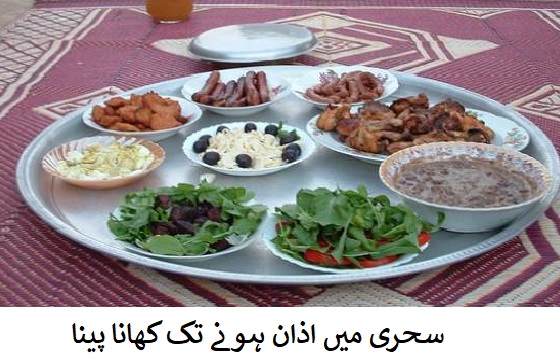
سحری کے دوران اذانِ فجر کے وقت کھانے پینے کے احکام

سحری کا اختتام اور اذانِ فجر کا آغاز

اسلامی تعلیمات کے مطابق، سحری کا وقت صبحِ صادق تک محدود ہے۔ صبحِ صادق کے طلوع ہوتے ہی سحری کا وقت ختم اور فجر کا وقت شروع ہوجاتا ہے۔ فجر کی اذان عام طور پر صبحِ صادق کے بعد دی جاتی ہے تاکہ نمازِ فجر کا وقت داخل ہونے کی اطلاع دے۔ لہٰذا، اذانِ فجر کے آغاز کے ساتھ ہی کھانے پینے سے رک جانا ضروری ہے۔

اذان کے دوران سحری جاری رکھنے کا حکم

اگر کوئی شخص اذانِ فجر کے دوران کھانے پینے میں مصروف ہو تو اسے فوراً رک جانا چاہیے۔ علماء کی اکثریت کے مطابق، اذان کے وقت سحری کھانے کا عمل جاری رکھنا روزے کی صحت پر اثر انداز ہوسکتا ہے۔ لہٰذا، احتیاط کا تقاضا یہی ہے کہ اذان کے آغاز کے ساتھ ہی سحری کا اختتام کیا جائے۔

ناواقفیت میں اذان کے بعد کھانے پینے کا حکم

اگر کسی شخص نے لاعلمی یا ناواقفیت کی بنا پر اذانِ فجر کے بعد بھی کھانا پینا جاری رکھا تو اس دن کا روزہ معتبر نہیں ہوگا اور اس کی قضا لازم ہوگی۔ تاہم، اس صورت میں کفارہ واجب نہیں ہوگا کیونکہ یہ عمل جان بوجھ کر نہیں کیا گیا۔

احتیاطی تدابیر

سحری کے وقت کے اختتام سے چند منٹ قبل ہی کھانے پینے کا عمل مکمل کرلینا مستحب ہے تاکہ کسی ابہام یا غلطی سے بچا جاسکے۔ اس طرح روزے کی صحت اور قبولیت میں کوئی شبہ باقی نہیں رہتا۔

نتیجہ

سحری کے دوران اذانِ فجر کے وقت کھانے پینے سے متعلق اسلامی احکام واضح ہیں۔ اذانِ فجر کے آغاز کے ساتھ ہی سحری کا اختتام کرنا ضروری ہے تاکہ روزہ درست اور مقبول ہو۔ ناواقفیت میں اگر اذان کے بعد کھانا پینا جاری رکھا جائے تو اس کی قضا لازم ہوگی، لیکن کفارہ واجب نہیں ہوگا۔ احتیاط کا تقاضا یہی ہے کہ سحری کا عمل وقتِ مقررہ سے پہلے مکمل کرلیا جائے۔

Create your own website, free on WordPress.com.Create your own website.
Start free